About folk high schools
These unique educational institutions break away from traditional classrooms, offering a dynamic and inclusive environment where learning goes beyond textbooks and exams.
An independent magazine about ideas that change people, and people who change the world.
Imagine a world where education is not confined to rote memorization but instead becomes a vibrant, life-changing experience — a force that empowers individuals, preserves cultural heritage, and transforms entire societies.
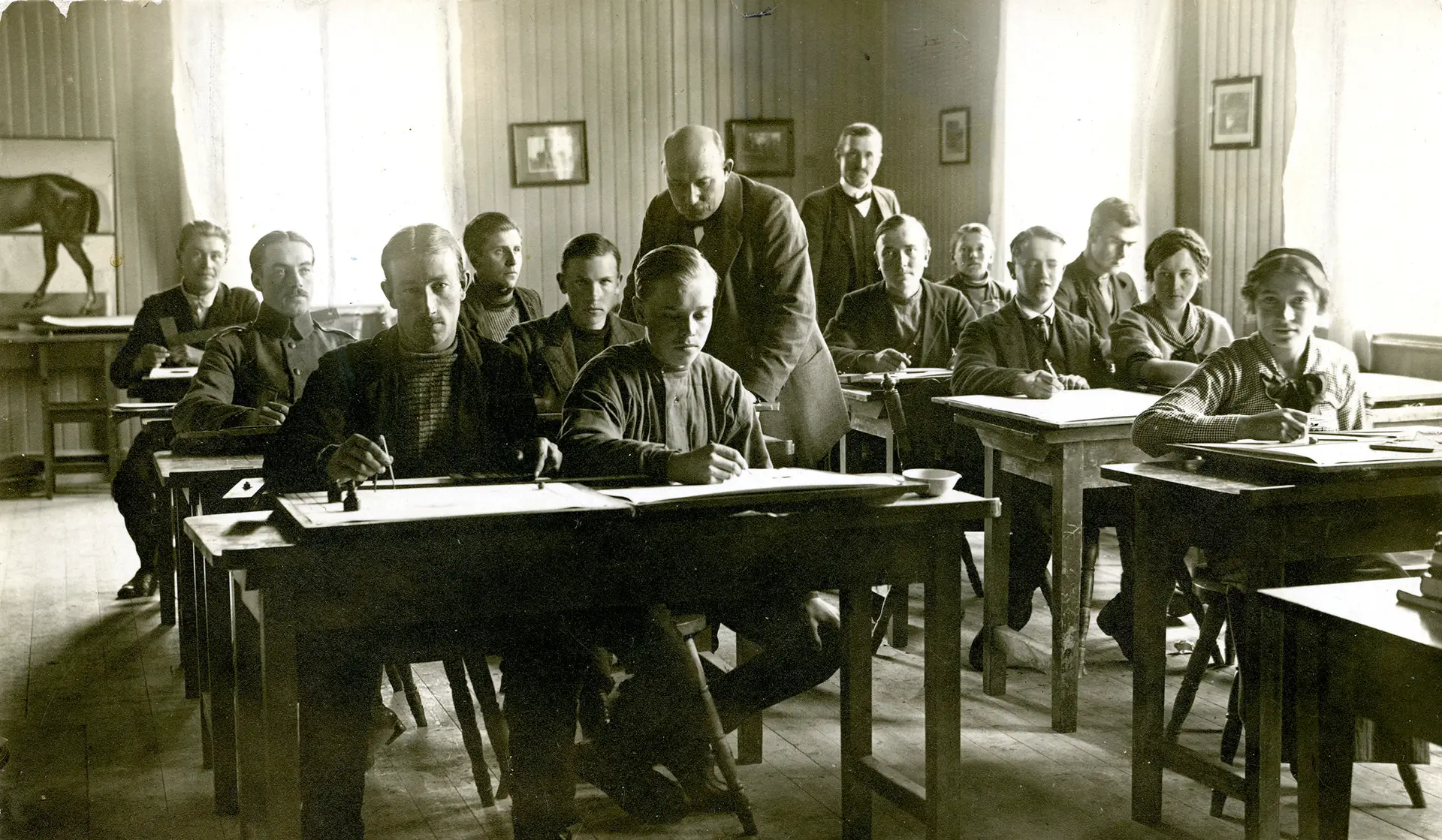
Vindeln Folk High School, Västerbotten, 1914. The school’s first principal, Theodor Vifell (1863–1939), teaches participants on the farmers’ course.
Folk high schools are all about empowering individuals and building communities.
These unique educational institutions break away from traditional classrooms, offering a dynamic and inclusive environment where learning goes beyond textbooks and exams.
Dive into the unique educational philosophy that makes folk high schools stand out — a focus on personal growth, democratic participation and lifelong learning.
Trace the rich history of folk high schools, from their origins in 19th-century Denmark to their role in shaping inclusive and empowered societies worldwide.
Meet the inspiring individuals who shaped the foundations of popular education, whose visionary ideas continue to inspire learning and personal growth today.
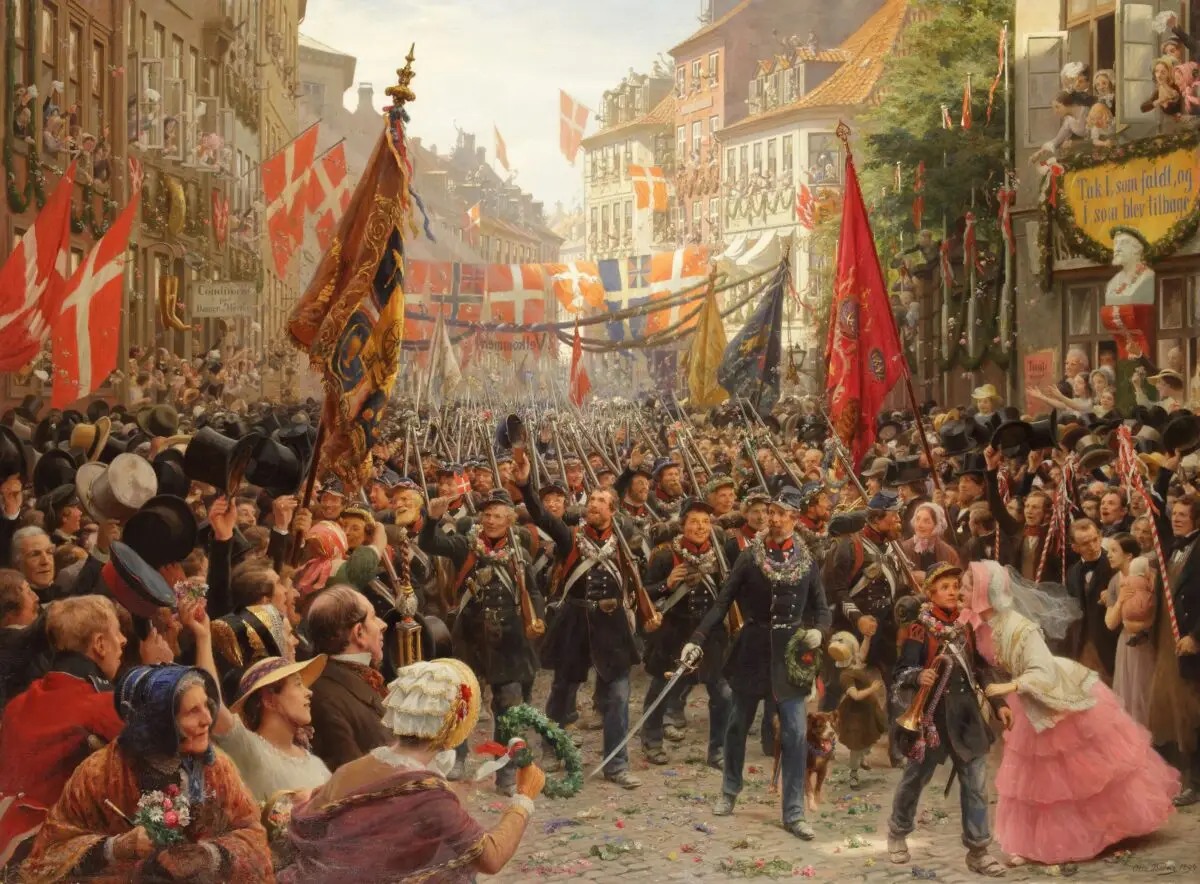
Copenhagen, 1849. Danish soldiers parade through the city after victories in the First Schleswig War. Painting by Otto Bache.
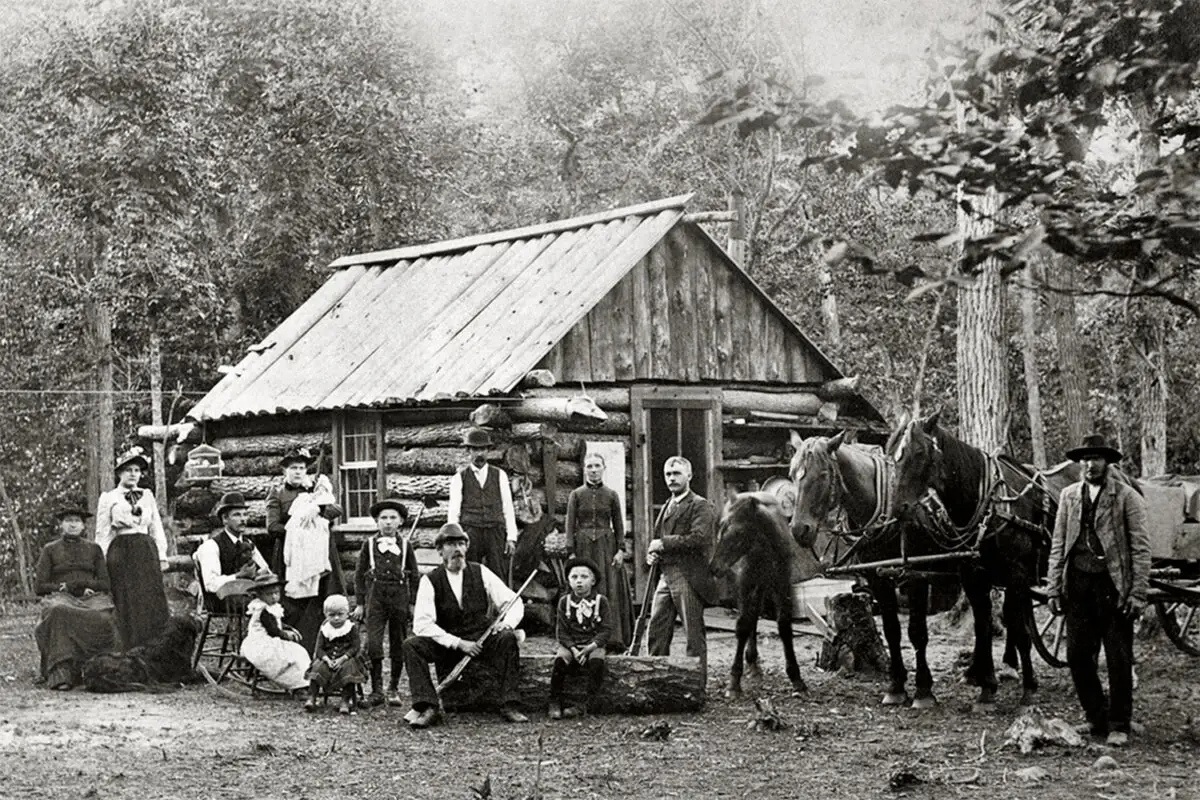
Minnesota, circa 1880. Swedish settlers. Photo from the archive of Nordiska Museet.
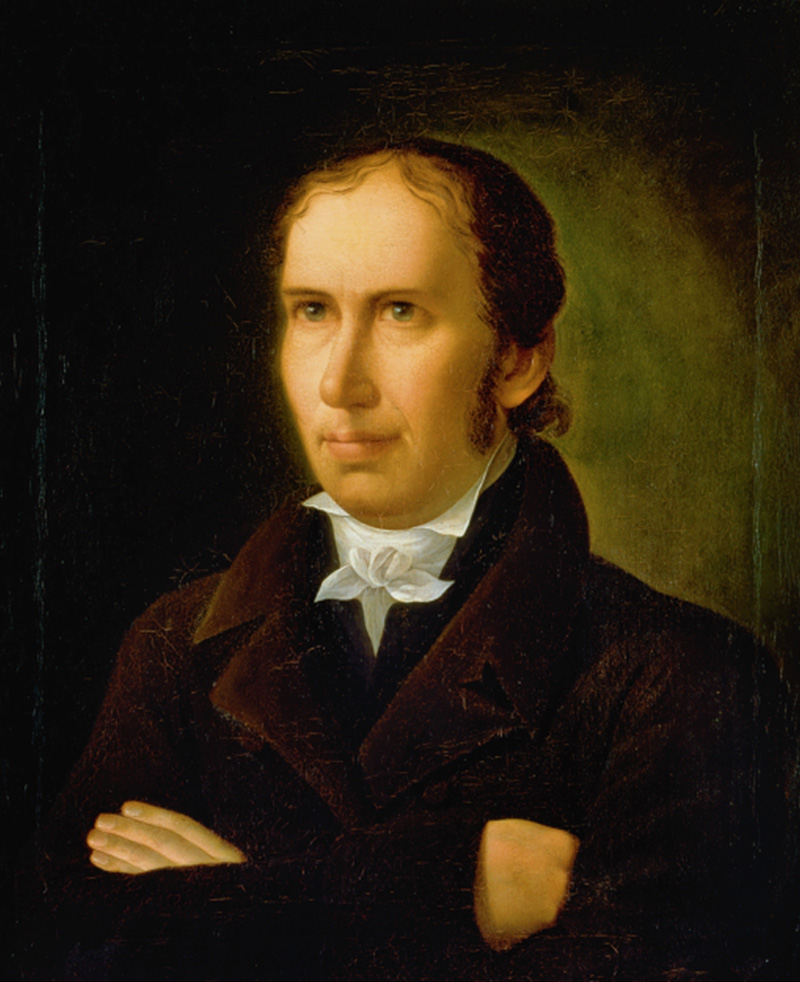
Grundtvig in 1820.
The big idea
“Whatever we do, the era of the common people and the masses ruling is upon us, so we must hasten with all we can to educate and enlighten them to become, on the whole, wise and gracious rulers.”
N.F.S. Grundtvig, in a letter to Christian Molbech, 30 July 1832. He was arguing that people must be educated for their growing influence in society.
Throughout history, education has been shaped by individuals who dared to think differently — who saw learning not as a rigid system, but as a living, breathing process that could transform lives and societies.
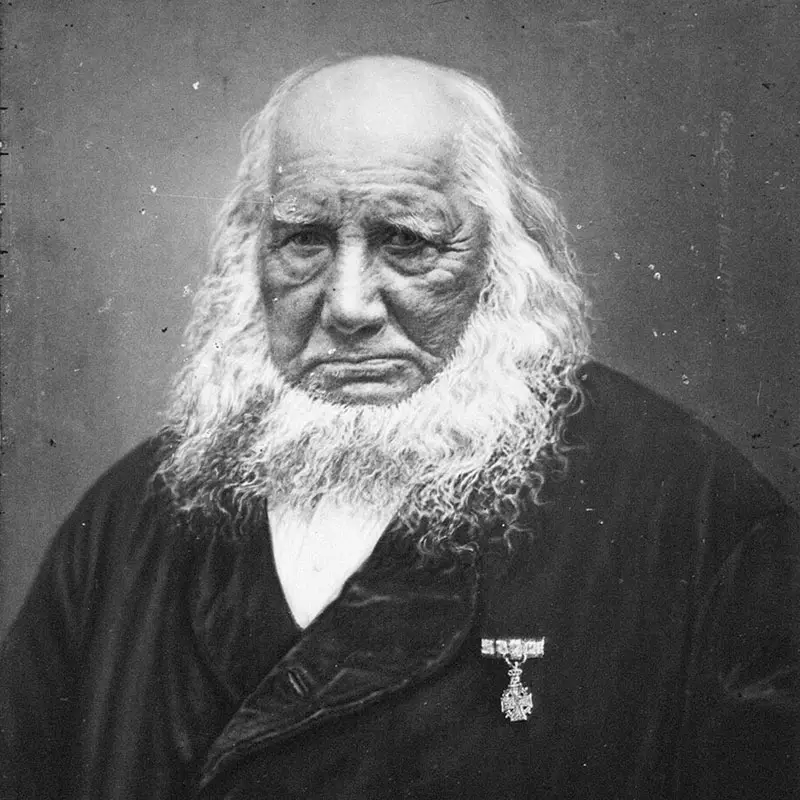
The father of folk high schools
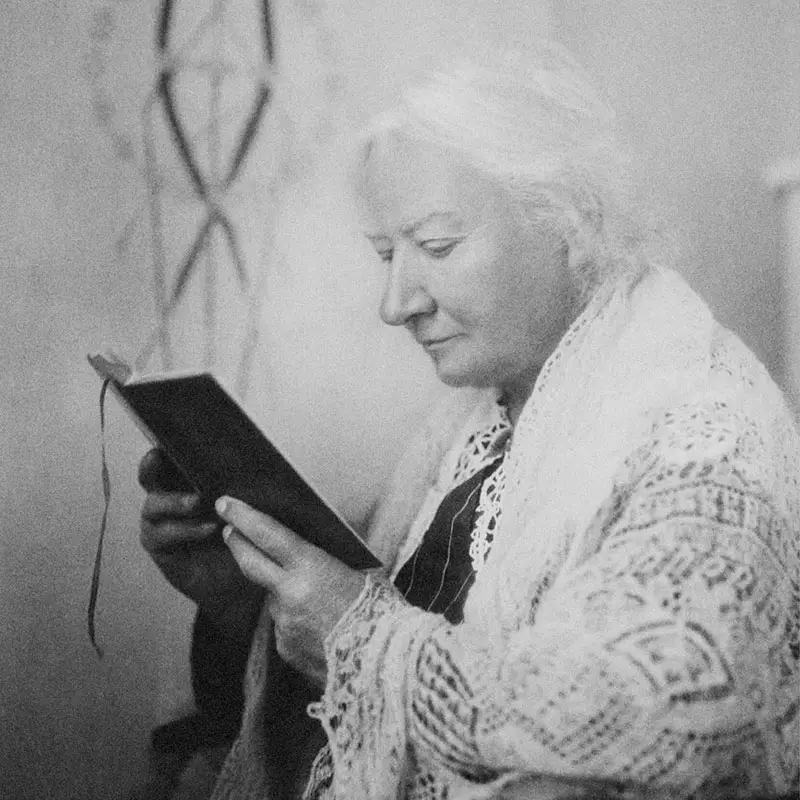
A champion of children’s rights
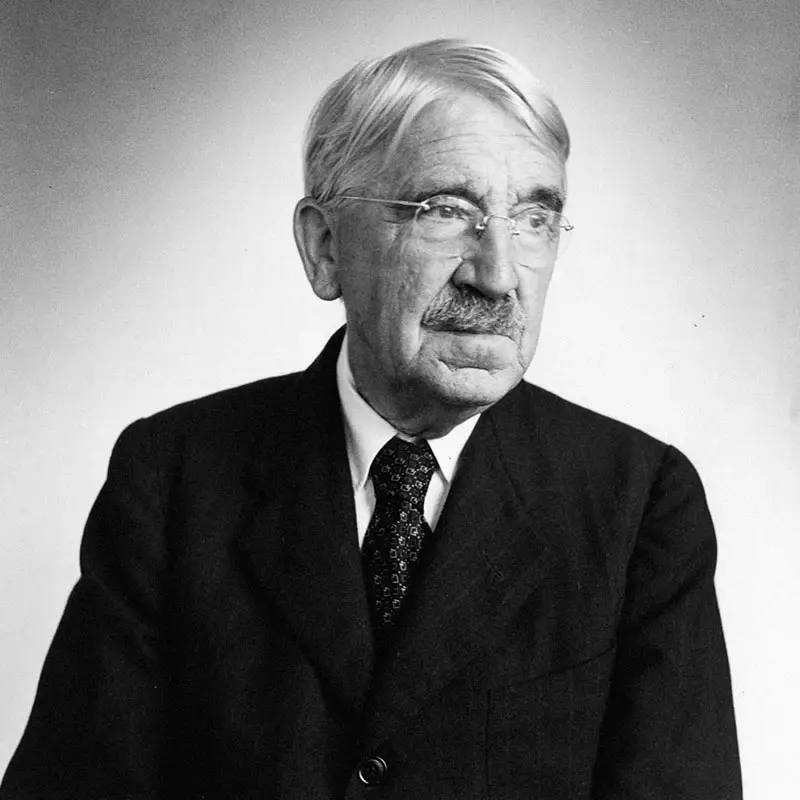
The father of experiential learning
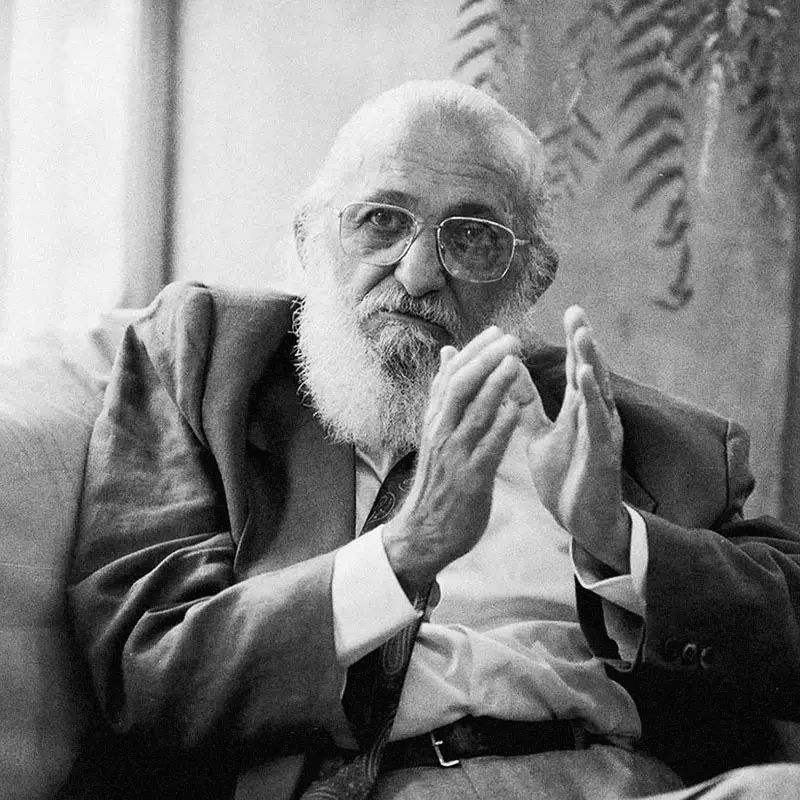
The voice of critical pedagogy
Enter a space of exploration and dialogue, where ideas take shape, perspectives broaden and voices converge to tackle the pressing issues of our time.